

Protein bars are quickly gaining popularity throughout Bangladesh, appearing everywhere from upscale gyms in Dhaka to busy offices in Chattogram. While many assume these bars are just for athletes or bodybuilders, their benefits extend far beyond the fitness community. Even those with desk jobs or less active routines can find value in adding protein bars to their diet.
One major advantage is hunger control. Protein bars can help curb cravings between meals, making them a smart snack for anyone trying to manage weight or avoid unhealthy foods. They also support better brain function; the protein and nutrients help maintain focus and mental clarity during long workdays or study sessions.
Energy levels are another key benefit. Unlike sugary snacks that cause quick crashes, protein bars provide steady energy, whether you’re powering through a workout or a busy afternoon at the office. Over time, regular intake of adequate protein contributes to long-term wellness by supporting muscle health, metabolism, and immune function.
In Bangladesh, where traditional diets sometimes lack convenient sources of protein, these bars offer an easy solution. Regardless of lifestyle, including more protein-rich foods can improve overall health and daily performance.
Why Protein Matters
Protein plays a crucial role in the body. It supports muscle repair after exercise or injury and is vital for metabolic health, helping to regulate energy and maintain a healthy weight. Protein also strengthens the immune system, making it easier for your body to fight off illness. Additionally, it contributes to mood regulation by supporting the production of important brain chemicals.
In Bangladesh, people traditionally get protein from foods like eggs, lentils, chickpeas, soybeans, and a variety of local fish. These sources are not only nutritious but also widely available in local markets. However, the demands of a fast-paced urban lifestyle often make it difficult to prepare balanced meals every day.
As a result, many are turning to convenient options like protein bars. These bars provide a quick and portable way to meet daily protein needs, especially for those on the go. Whether from whole foods or ready-to-eat snacks, ensuring enough protein in your diet is essential for overall health and well-being.
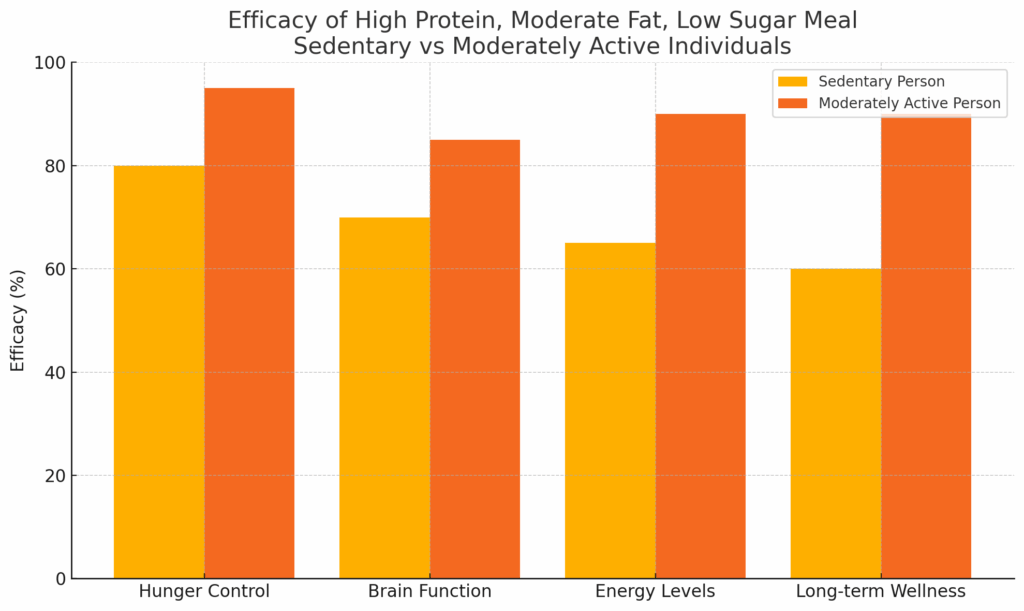
Here’s a comparative estimate of the efficacy of a high-protein, moderate-fat, low-sugar meal on two types of individuals:
- Sedentary person (no exercise)
- Moderately active person (exercises 3–4 times a week)
We’ll evaluate four wellness categories (hunger control, brain function, energy levels, and long-term health), and assign a relative efficacy score based on how much benefit each person gets, expressed in percentages for easier comparison.
Comparative Efficacy Table(%)
| Category | Sedentary Person | Moderately Active Person | Notes |
| Hunger Control | 80% | 95% | Protein reduces cravings in both, but better appetite regulation in active individuals due to enhanced metabolism. |
| Brain Function | 70% | 85% | Both benefit from stable blood sugar, but physical activity improves blood flow to the brain, boosting the effect. |
| Energy Levels | 65% | 90% | Sedentary people can still feel steady energy, but active individuals benefit more due to better insulin sensitivity and mitochondrial function. |
| Long-term Wellness | 60% | 90% | Diet alone helps, but exercise amplifies metabolic, cardiovascular, and hormonal benefits. |
Overall Efficacy Score(Average)
| Type of Person | Efficacy(%) |
| Sedentary | 68.75% |
| Moderately Active | 90% |
Interpretation
- Even without exercise, such a meal structure is highly effective for managing hunger and stabilizing energy—but its full potential is unlocked when paired with physical activity.
- Moderate fitness amplifies benefits by improving nutrient utilization, blood flow, insulin sensitivity, and brain chemistry.
Hunger Control: Fitness vs. No Physical Activity
With Fitness:
People who work out regularly experience greater appetite due to calorie expenditure. Protein bars can serve as a smart post-workout snack to control hunger and reduce the likelihood of overeating. The high protein content slows digestion, keeping one fuller for longer.
Without Fitness:
For sedentary individuals, protein bars can also be helpful — but moderation is key. Since they don’t burn many calories, they may experience weight gain if a protein bar is added as an extra snack rather than a meal replacement. Choosing protein food with balanced macronutrients becomes crucial.
Tip: Choose bars with 10-20g of protein and fewer than 350 calories to avoid excess energy intake.
Brain Function and Cognitive Clarity
With Fitness:
Protein supports neurotransmitter function. Active individuals, especially those who perform resistance or HIIT workouts, benefit from improved blood circulation and nutrient absorption — leading to sharper focus when combined with high protein food in Bangladesh.
Without Fitness:
Even for desk workers, protein bars that include healthy fats and fiber (like almond butter or oats) can provide sustained mental energy. They prevent the “sugar crash” often caused by carb-heavy snacks.
Look for bars with added omega-3s or brain-friendly nutrients like magnesium or B-vitamins.
Energy Levels Throughout the Day
With Fitness:
Exercise depletes glycogen and breaks down muscle protein. Protein bars help replenish energy and support recovery. Including them in a post-workout routine can prevent fatigue and improve endurance in future sessions.
Without Fitness:
Non-active individuals may experience energy dips from sedentary metabolism. Instead of sugary snacks, a well-balanced protein bar can maintain stable blood sugar and prevent afternoon slumps — especially when paired with a glass of water or green tea.
Avoid bars with artificial sweeteners or high sugar content. Aim for real food ingredients like dates, nuts, or whey protein.
Long-Term Wellness
With Fitness:
Consistent exercise + high-quality protein intake = stronger muscles, better metabolism, and lower risk of lifestyle diseases. Many athletes in Bangladesh are switching to protein bars in Bangladesh that include natural ingredients like peanut butter, dates, and whey protein isolate.
Without Fitness:
Though benefits may be slower, protein still supports bone health, weight management, and metabolic balance. For sedentary individuals looking to improve wellness without exercise, integrating protein food like tofu, dal, or a low-calorie protein bar is a smart move.
Start small: replace one unhealthy snack with a healthy bar daily.
How to Choose the Right Protein Bar in Bangladesh
With the growing popularity of protein bars in Bangladesh, local and international brands have flooded the market. Here’s what to look for:
| Feature | Ideal Choice |
| Protein Content | 10–20g |
| Sugar | < 8g |
| Calories | 150–350 |
| Ingredients | Natural, minimal additives |
| Function | Meal replacement or snack |
Final Thoughts
Whether you’re a regular gym-goer or someone who simply wants to eat smarter, protein bars in Bangladesh are a valuable tool when used correctly. For fitness enthusiasts, they support recovery and performance. For those without regular physical activity, they offer a healthier snack alternative to sugary or deep-fried options — as long as they’re consumed mindfully.
If you’re looking to improve your diet, maintain your energy, or manage hunger and brain fog, incorporating protein food into your daily meals — including high protein food in Bangladesh or a thoughtfully chosen protein bar — can be your first step toward a healthier future.
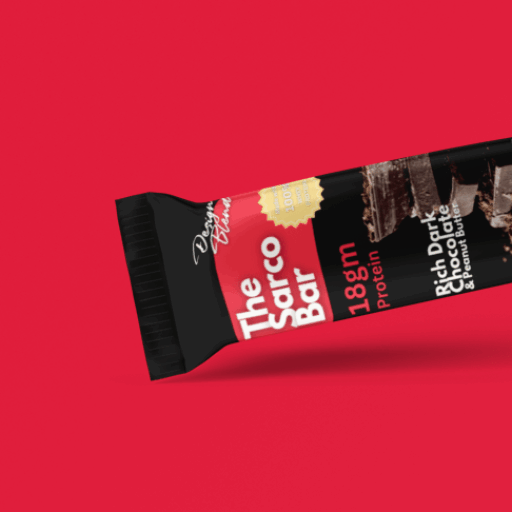
Head on over to our PRODUCTS section to buy your own pack of the viral Sarco Bar® that is sweeping through Dhaka at this very moment!
Hurry while stocks last!